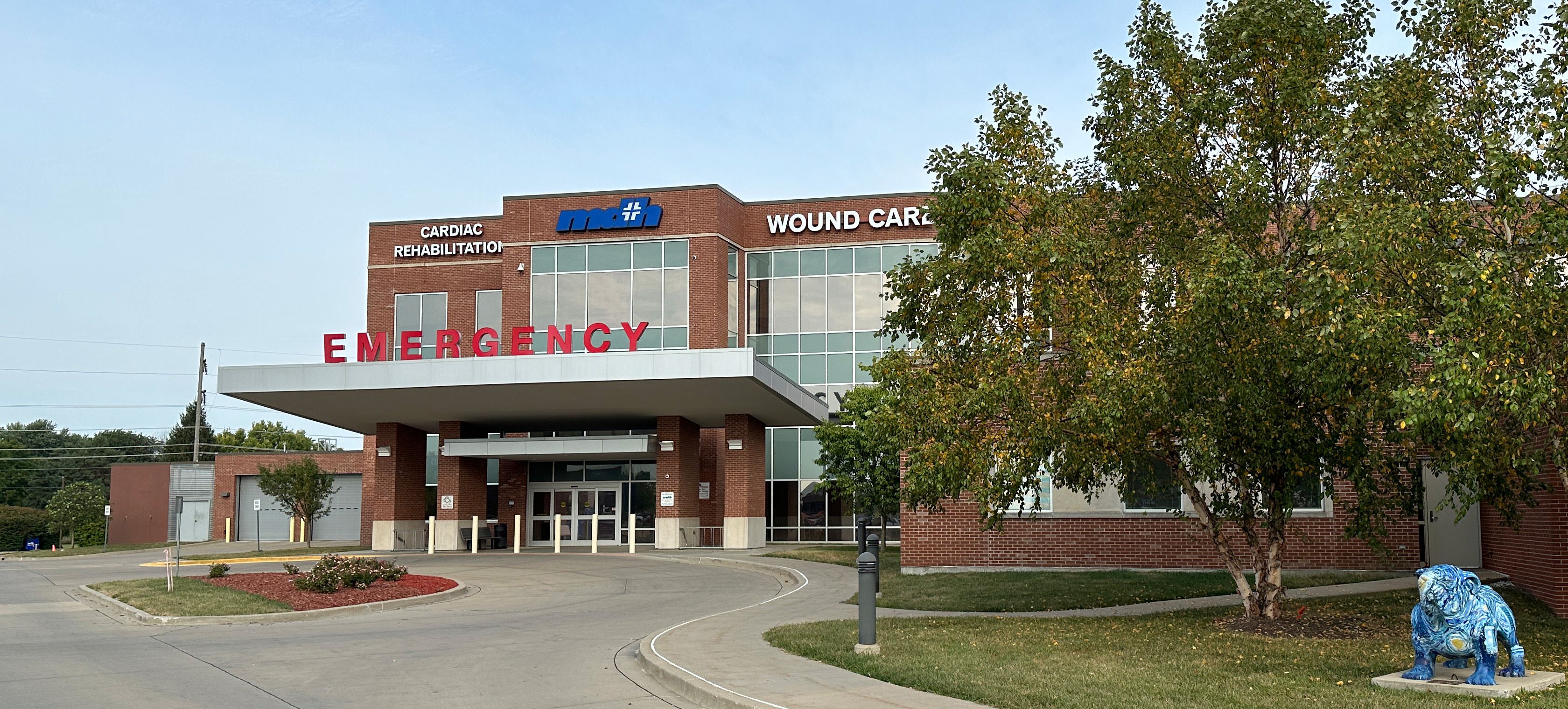
MACOMB, Ill. – Once again meeting and surpassing the quality outcomes to provide emergent stroke care, McDonough District Hospital continues to be recognized as an Acute Stroke Ready Hospital within the State of Illinois.
Based off the quality data submitted to the Illinois Department of Public Health (IDPH), McDonough District Hospital proudly announces its 29th year earning this distinction.
The IDPH identifies hospitals capable of providing emergent stroke care and directing EMS providers to transport possible acute stroke patients to these hospitals.
MDH’s designation was based on quality outcome metrics, ranging from: results time for door-to-blood coagulation study; completed time for door-to-brain imaging; results time for door-to-brain imaging; time for door-to-thrombolytic therapy, if applicable; time for door-to-transfer from emergency department, if applicable; and non-emergency department patients transferred out of the hospital for stroke diagnosis.
“For 29 years, McDonough District Hospital has remained committed to providing Acute Stroke Ready care to our rural community. This designation represents more than meeting clinical standards; it represents our commitment to ensuring our patients have access to timely, high-quality emergency stroke care close to home. When a stroke occurs, every second matters. Rapid recognition, diagnostic imaging, clinical evaluation, and appropriate treatment can make a meaningful difference in a patient's outcome. As a rural hospital, we recognize the importance of initiating that care quickly, including administering clot-busting medication to eligible patients when indicated, while coordinating timely transfers to a higher-level stroke center when more specialized intervention is needed,” said Director of Emergency Services Kaitlyn Damewood, RN. “Our designation reflects the dedication of our emergency department team, the evidence-based protocols that guide our care, and our ongoing commitment to quality improvement. Our patients and their families deserve confidence that when a medical emergency happens, they can receive prompt, evidence-based care right here in their community. We are proud to bring high-quality medicine close to home and remain committed to the health and well-being of the people we serve.”
The American Heart Association and American Stroke Association suggest using the letters in FAST to spot stroke signs and knowing when to call 9-1-1.
- Face drooping: Does one side of the face droop or is it numb.
- Arm weakness: Is one arm weak or numb, ask the person to raise both arms.
- Speech difficulty: Is speech slurred, are they unable to speak or hard to understand.
- Time to call 9-1-1: If someone shows any of these symptoms, even if the symptoms go away, call 9-1-1 and say, “I think this is a stroke” to help get the person to the hospital immediately.